

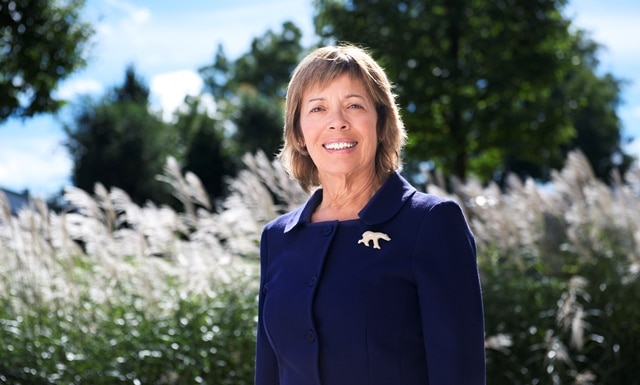
By Joanne Bezzubetz
Over the past decade, our society has become more aware of the importance of mental health as part of overall health. People are increasingly coming forward for help — not just to mental health centres like The Royal, but also to emergency departments, family physicians, and other health services across the community.
The first thought is often getting the patient ‘into’ somewhere — like a specialized facility. But what if mental health care met patients where they are? What if specialized care was available right there in the family clinic, community health centre, school, or even in the patient’s home? This is already a reality in some cases. We want to make it a reality in most cases.
Each year, thousands of people in Ottawa and its surrounding regions receive mental health care from The Royal without ever walking through our hospital’s doors. Whether they’re seniors living in long-term care, people who are homeless, adults taking progressive steps towards recovery from serious mental illness, or people receiving therapy through the convenience of a video conference, they’re getting the care they need within their own communities.
In my five years at The Royal, I’ve seen the positive impact that community-focused services can make for individuals, as well as our ability to provide mental health care across our health system. Now, we are building on that foundation.
Our vision for The Royal is a hospital without walls — an organization of mental health experts working alongside other health care and social service providers throughout the community.
Mental illness is never what defines a person. We all have or need other connections in our lives, whether they are family, friends, work, health services or social supports. Mental health care that is integrated with these things allows people to manage their illnesses within the context of their daily lives and to continue to be part of broader communities that support wellness.
The care that we offer in the community touches on many aspects of our clients lives. Staff in The Royal’s Community Mental Health Program, for example, help clients access housing, manage their finances, pursue education or work, and participate in activities that are meaningful to them. These clients even have fun at social events and a camp organized by our team! The Community Mental Health Program also educates and provides insight to others working with these same clients.
While inpatient care will always be an important and necessary part of the mental health system, a system of integrated community care helps reduce the strain on hospitals, in particular emergency rooms, by helping people get and stay healthy closer to home – closer to family, friends, and other supports.
Connecting with people outside of a hospital environment can also provide helpful insight for health care providers. The Royal’s geriatric mental health outreach teams, for example, spend their days out in the community, meeting seniors where they live and providing consultations to care providers.
The ability to go out into people’s homes, whether that’s their long-term care home, private home, or retirement home, lets doctors, nurses and other clinicians do a much more holistic assessment of their health and factors that contribute to it. This deeper understanding supports personalized patient and family-centred care, helping us determine next steps and establish a care plan that truly fits the patient.
Working directly with other community carers also provides the opportunity for education and collaborative problem solving. The day-to-day expertise exchanged between health care partners increases the quality of and capacity for care across our mental health system.
The Royal’s telemedicine clinics exemplify this. Working in partnership with community health services in Ottawa and throughout the region, our clinicians provide virtual consultations to help establish the best care for people with mental health issues. This may mean clarifying a diagnosis, making medication recommendations, or sharing information about other appropriate services. This benefits the individual patient, but it also helps build the referring physician’s ability to care for patients with similar concerns in the future.
Making mental health care more accessible doesn’t always mean building bigger hospitals. It also means looking beyond the hospital to help more people where they live, work and access other health services. It’s about our team working together with other community resources — sometimes leading, sometimes supporting, but always collaborating. This is how we all get better.
Joanne Bezzubetz is President and CEO of The Royal.