

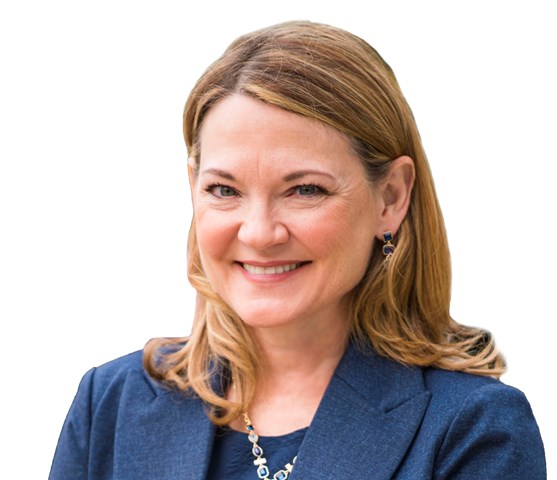
By Arden Krystal
On any given day (especially during the winter months) around 500 patients stay overnight at Southlake, either on an inpatient unit or waiting for a bed in the Emergency Department (we were built for around 425). Most of these 500 patients are acutely ill and require the care that a leading edge acute hospital provides. But a substantial number, anywhere from 60-100 depending on the day, have to stay at Southlake because there is nowhere else for them to go. These people do not need (or want) acute care. They do not need the significant infrastructure associated with operating an acute hospital. And the other patients waiting for a proper bed in a real room probably don’t find their stretcher in the ED or their temporary bed in a staff lounge to be a restful or healing environment. This scenario is playing out in large community hospitals across the province – this is “hallway healthcare.”
These are more than just 60-100 patients. They are often seniors whose family members had to get to the hospital, pay for parking, and sit in a chair at their loved one’s bedside in order to see them. These are grandmothers and grandfathers. Imagine what their grandchildren must think about the system that we have created in Ontario when they visit their grandparent? These are wives and husbands, often separated from their spouse, in a place where they don’t want to be.
These patients receive care from amazing team members at Southlake – but hallway healthcare takes a toll on staff too. Frustrated nurses and physicians understand the risks of hospital-acquired conditions for patients staying in hospital longer than necessary. Discouraged allied health professionals and personal support workers see patients deteriorating during extended unnecessary stays. Hospital administrators wrestle with the negative operational and financial impacts of overcrowding.
The proposed changes announced by Minister Christine Elliott in late February represent a chance to change this. They are designed to reduce the layers of bureaucracy and management that have stood in the way of system improvement. At best, these layers have added little value for patients. At worst, they have distracted clinicians from spending time providing care and inhibited administrators from making decisions to improve patient experience, streamline operations, and forge better partnerships.
Evaluated against the Quadruple Aim, many parts of Ontario’s current system have room for improvement. Overhead costs as a proportion of spend are higher than other provinces. Patient experience can suffer from uncoordinated transitions, a lack of integrated digital health solutions, and persistent silos. Staff satisfaction, the flipside of the patient experience coin, is wavering as well. Clinician burnout and staff morale challenges in all sectors are well documented. And clinical outcomes, though excellent in some areas, aren’t measured as robustly as they should be. Too often the focus is on process measures.
For a clear and concise “problem statement” about the current system, see the initial report from Dr. Rueben Devlin and the Premier’s Council on Improving Healthcare and Ending Hallway Medicine.
At Southlake, we believe the path forward is a “bundled community” approach, where care is connected and responds to evolving local needs. Forward-looking providers (be they community-based or hospitals) want funding linked to outcomes and have the confidence to push for shared-risk models. We need to learn from the successes and failures in other jurisdictions to more rapidly improve our system.
Yes, hospitals want the ability to partner directly with colleagues from other sectors, but we also welcome the shared accountability for outcomes, system-wide, in each element of the Quadruple Aim. As the saying often attributed to Deming goes, “every system is perfectly designed to get the results it gets.” By many indicators, the results our system is producing can be so much better. These new changes lay the groundwork for transformation. It’s now up to hospitals and our partners from across the system to deliver.
Arden Krystal is President and CEO, Southlake Regional Health Centre.