

By Colleen Dockerty
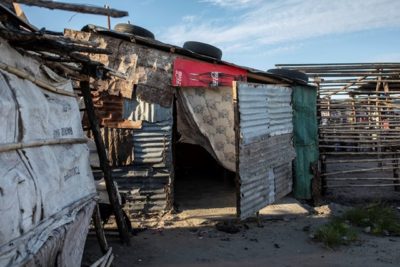
Imagine trying to implement physical distancing and wash your hands regularly to stop the spread of COVID-19 while living in overcrowded housing without access to running water, soap or adequate health care. This is the sad reality for millions of vulnerable people living in poverty, in war-torn countries and refugee camps around the world.
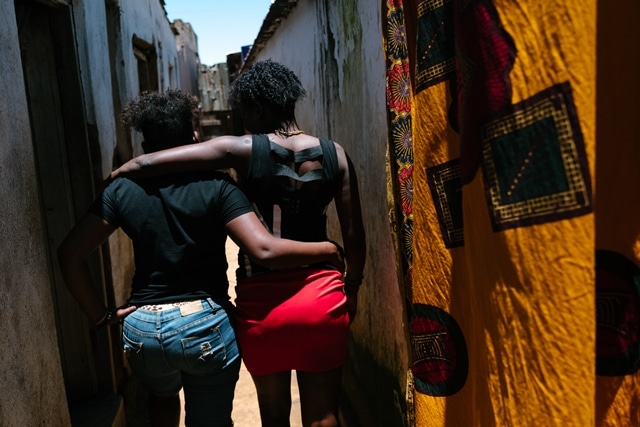
I am a nurse with Doctors Without Borders. I was recently in Mozambique where we support people living with HIV and sex workers. Through my work, I met a migrant sex worker living with HIV in a small house with 10 other people. She came to the city to earn money to feed her children and pay their school fees. Physical distancing is simply not an option for her.
More than two million people live with HIV in Mozambique, many with weakened immune systems. This may increases the risk of infections and may make them vulnerable to COVID-19. But it’s almost impossible to implement the additional precautions the WHO recommends for people with advanced HIV while living in an overcrowded home.
In addition, Mozambique has a weak and poorly-equipped health system, made worse by a recent cyclone. In some clinics I visited, there is not enough running water for health workers to wash their hands to protect themselves and slow the spread of the virus.
The potential impact of COVID-19 is even more dire in war-affected regions and refugee camps. At a South Sudanese refugee camp I visited in Ethiopia, women need to walk to the water pump with plastic jugs, pump water for the day, carry the heavy jugs home and carefully plan what water is for cooking, drinking and washing. They may be faced with the decision of whether this limited water is to cook a meal for their children or wash their hands to prevent the spread of the virus.
I also worked in the Rohingya refugee camps in Bangladesh, where almost one million people are living in overcrowded conditions. People are dependent on humanitarian aid for all basic services, food and fuel. Young boys walked barefoot in the mud, carrying heavy bags of food on their shoulders. Large crowds gather to access food – making physical distancing impossible. COVID-19 is likely to spread quickly in overcrowded refugee camps that lack basic hygiene, sanitation and health care. The Government of Bangladesh has confirmed that there is a case of COVID-19 in the Rohingya camp. The UNHCR has described Rohingya refugees among the most at risk globally in this pandemic and has urged international support.
Canadians have been responding with kindness and support. People are volunteering to buy groceries and babysit for neighbours, and are applauding essential workers every evening and around the country. This solidarity can extend beyond our borders to the poorest and most vulnerable around the world. The UN is calling for increased funding to fight coronavirus to protect millions of vulnerable people at risk. The Canadian government has committed foreign aid funding as part of this humanitarian response. Doctors without Borders is scaling up its efforts, with a focus on vulnerable populations.
Some may argue that Canada should focus its attention at home. However, the pandemic makes clearer than ever how we are all connected. Viruses have no borders.
Canadians – individually and through our government – can and must do more to ensure the poorest and most vulnerable are protected from COVID-19. Countries with fragile health systems and humanitarian organizations need support to prevent its spread, to strengthen infection prevention and control, to triage and manage cases. When a treatment and vaccine are developed, they must be affordable, accessible and available for all.
Beyond COVID-19 preparedness and response, resources must not be diverted from existing programs. Essential services must continue – providing shelter, food, clean water, responding to gender-based violence and running life-saving health care that reduces maternal mortality, vaccinates against polio and measles, and prevents HIV and tuberculosis.
We as Canadians can and must show solidarity to both help ensure our safety at home, and to relieve suffering globally.
Colleen Dockerty in a nurse who volunteers with Doctors without Borders.