
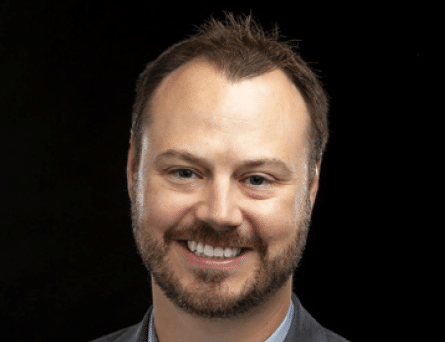
By Dr. David Campbell.
How do homelessness and poverty impact metabolic diseases like diabetes? How can healthcare systems and healthcare providers help people who face social disadvantages better manage chronic health conditions? These are questions Dr. David Campbell is set on figuring out. In fact, the Associate Professor of Medicine at the University of Calgary has dedicated much of his research to determining links between homelessness and diabetes or cardiovascular complications, and is currently exploring ways to empower patients to find solutions to their challenges. He will be sharing insights from his research in the annual Isabel Lockerbie address at the upcoming Vascular 2023 conference running October 25-29 in Montreal. Below he provides a preview and explains his motivation for tackling this complex aspect of health care.
How did you get interested in social disparity and disease?
I trained as an anthropologist so I studied the way that political and economic environments affect people’s choices and agency. In medicine, and especially in the diabetes world, we often think this is a self-managed disease and everybody can do things to manage it. But that doesn’t reflect the reality for many people who can’t do the things we ask them to by virtue of their circumstances. I’m very interested in the intersection of chronic diseases like diabetes with extraordinary challenges that people face in their lives and what kind of things we—as a system and as individual providers—could do to meet them on their terms.
What are some of your research highlights to date?
In the ACCESS trial, we tested two different interventions in a large group of low-income seniors with diabetes or heart disease. One group received free medication which made them slightly more likely to take their medications but did not have an impact on health outcomes. The second was an educational intervention provided in an engaging and interactive way that resulted in a 22 percent reduction in hospitalizations, heart attacks and strokes. Diabetes Canada’s annual Professional Conference is part of a unique Vascular Conference this fall and that’s where I’ll be speaking about how we can give health education in a more engaging way to improve health outcomes.
Any other takeaways from your research?
Often, it’s hard for healthcare providers to really understand how to tailor their care to the circumstances of someone who doesn’t have a home, can’t cook for themselves and isn’t in control of their medication. Providers don’t have any specialized training in this area, so the education provided, I’m told, is not universally relevant to peoples’ life circumstances. When it comes to diabetes education, for example, it’s about finding the next best thing we can do for somebody rather than trying to optimize everything.