
By Kathryn Young
Obesity – now considered a complex chronic disease similar to diabetes, high blood pressure and high cholesterol – is a disease people “wear,” so they’re subject to constant stigma and bias.
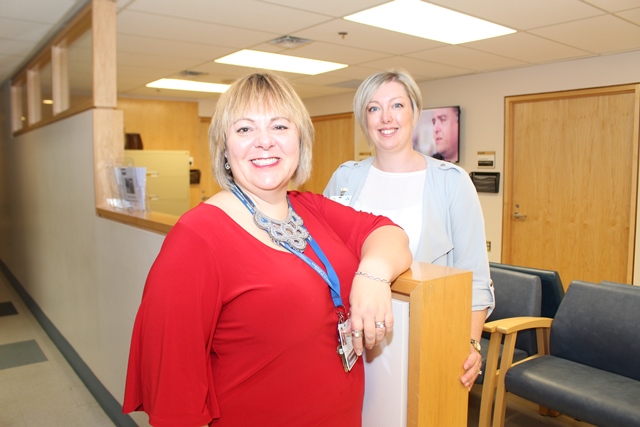
“I often think that if I was an alcoholic, had diabetes or high blood pressure etc., people wouldn’t be able to see those conditions and then judge me for my perceived health status,” explains Candace Vilhan, a patient advocate as well as Behaviourist at The Ottawa Hospital Bariatric Centre of Excellence.
Physical abuse, verbal taunts, and micro-aggressions such as eye rolls and tutt-tutting lead people living with obesity to experience many mental health issues, such as low self-esteem, anxiety, depression, social rejection, and suicidal ideation and acts. They are also less likely to seek medical advice. Stigma and bias come from all areas of society, including friends and family members, who are reported among the main sources of stigma, as well as health-care providers.
“I spent a long time listening to the criticism from others regarding my chronic disease, and feeling like a failure,” says Vilhan. “And I see this in my work with patients. If you have obesity, you are constantly appraising your environment and feeling blamed. Am I going to fit in that chair or be embarrassed? Is the doctor going to weigh me in an area where other people can hear my weight? Will I get chastised for not being active ‘enough’? Are people staring at me and judging me? Many people living with obesity leave medical appointments feeling ashamed and are less likely to return for follow-up for fear of being judged or blamed because of their weight.”
“Stigma and bias against people living with obesity has been a form of discrimination for years, but you can’t tell by looking at someone how healthy or happy they are,” says Jennifer Brown, Registered Dietitian with the Bariatric Centre of Excellence and a member of The Ottawa Hospital Dietitian Promotion and Advocacy Committee. “We need to accept and celebrate body diversity, including different shapes, sizes and weight.”
Over the past decade, researchers and clinicians have started to understand the complexity of obesity, which is now defined as having excess body fat that impairs health.
“We now know there are multiple factors that contribute to this chronic disease, including our genetics, physiology, biology, metabolism, social and physical environment, including food and physical activity,” explains Brown. “It is no longer solely based on someone’s weight, body mass index, body shape or size.”
Unfortunately, weight stigma and discrimination continue to rise, especially among health-care providers, according to several studies (Phelan, Rudd Center).
However, the health-care team at the Bariatric Centre of Excellence provides a safe physical and mental health environment for patients. The centre has larger chairs, floor-mounted toilets, wider doorways, bariatric wheelchairs, scales that read higher weights, and larger blood pressure cuffs. The health-care team takes a non-judgemental, compassionate approach that is free of obesity bias.
“One of my challenges is to establish trust with patients, because their previous encounters with health-care providers may not have been positive experiences,” Vilhan says. “As health-care providers, we need to consider our own biases so we don’t inadvertently impact a patient who is already fearful of being judged based on past experience. We receive positive feedback from patients, who feel like they ‘fit’ in this space because it is more comfortable.”
Patients who would like to be seen at the centre must have their doctor refer them through the Ontario Bariatric Network.
Vilhan advocates for patients as a member of The Ottawa Hospital’s Patient and Family Advocacy Committee in obesity care as well as through Obesity Canada. “I do this advocacy work because I understand what it feels like to be beaten down by shame and blame that oversimplifies this very complex disease,” says Vilhan. “I recently saw a quote that resonated: ‘If shame and blame from friends, family, the medical community and myself helped treat obesity, I’d be the thinnest person ever’.”
Oct. 11 – World Obesity Day – marked an international campaign to end weight stigma and bias by supporting practical actions for people living with obesity. Everyone has a part to play – at work, at home and in our community.
Here are the top four tips for health-care providers and others to help end stigma and bias:
- Use people-first language. Use “people living with obesity” or “you have obesity” rather than “obese people,” “the obese,” or “you are obese.”
- Treat people living with obesity with the same level of respect and dignity as anyone else.
- Be mindful of your bias. Negative comments, actions or behaviours towards someone’s weight is a form of bullying.
- Avoid letting a person’s weight impede medical care, diagnosis or management. Not every medical issue is weight-related.
Kathryn Young is the Publications Officer at The Ottawa Hospital.