

Snacking isn’t what it used to be. Once dismissed as little more than chips, candy bars and cookies, today’s snacks are evolving into purposeful, science-informed foods that contribute to health, energy and even meal replacement. In Canada and across North America, snacking now plays a significant role in daily energy intake, with research showing snacks can contribute about 23 % of total daily calories in Canadians, particularly among children and younger adults.
This shift is driven by changing lifestyles and rising health awareness. Busy schedules and on-the-go routines mean many people reach for snacks instead of traditional meals. At the same time, consumers increasingly look for options that support overall well-being, not just hunger satisfaction. The healthy snack market reflects this shift: globally, the healthy snacks category is projected to expand rapidly through the rest of the decade, and North America — including Canada — remains a leading region in this growth.
Healthier Choices, Better Ingredients
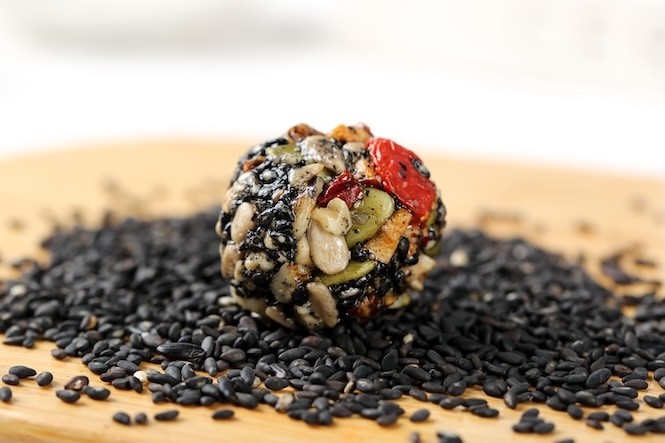
Today’s healthier snack options focus on nutrient density and clean labels, with an emphasis on fewer artificial ingredients, lower added sugars, and more whole, recognizable foods. Products featuring nuts, seeds, fruit, and vegetable bases are popular because they can deliver protein, healthy fats, fiber and micronutrients — all while offering convenience. These components not only provide energy but also help support steady blood sugar levels and prolonged satiety compared to ultra-processed snack foods.
Plant-based proteins are another major trend. Ingredients like pea protein, legumes and nut blends are increasingly found in bars, chips, and bite-sized snacks. Not only do these provide sustainable protein sources, but they also align with broader shifts toward plant-based eating and environmental consciousness. Canadian snack producers are responding with innovative formulations designed to meet both nutritional and ethical preferences.
Science Behind Better Snacking
Nutritional science increasingly treats snacking as an opportunity for diet quality improvement. Research suggests the right snacks can fill nutrient gaps and contribute positively to overall diet quality when chosen carefully. Functional ingredients — such as probiotics for gut health, omega-3 fatty acids for brain function, and specific fibers for digestive wellness — are now being added to snacks to target specific health outcomes. Functional foods that support immunity, digestion and metabolic health continue to rise in popularity, supported by emerging consumer demand for more than just calories.
Snacks are also being designed to balance energy needs throughout the day. High-protein snacks, for example, are linked to improved satiety and can be strategic tools for appetite control. Choosing snacks that blend complex carbohydrates with protein and healthy fats helps avoid the rapid blood sugar spikes and crashes associated with high-sugar snacks.
Meal Replacement and Functional Foods
The line between snacks and meals is blurring. Many new products aim to provide meal-replacement solutions that offer balanced macronutrients and fortified vitamins at smaller portion sizes. These are especially appealing to busy professionals and active individuals looking for convenient, nutritionally complete options. As consumers demand more from every bite, snacks that can double as partial or complete meal substitutes are gaining footholds on shelves and in e-commerce catalogs.
Trends to Watch for 2026
Looking ahead to 2026, several key trends are expected to shape snacking:
• Functional snacking for wellness: Products formulated with ingredients targeting gut health, immunity, and cognitive performance are accelerating.
• Clean labels and transparency: Canadian consumers are increasingly discerning about ingredient lists, favouring minimal, recognizable components.
• Plant-based and sustainability: Growth in vegan, vegetarian and eco-friendly snack options continues.
• Snack-as-meal: On-the-go meal replacements will continue to evolve with more balanced nutrient profiles.
The future of snacking is not about abandoning meals but augmenting nutrition in smarter, evidence-based ways, offering Canadians food choices that are both satisfying and supportive of long-term health.