
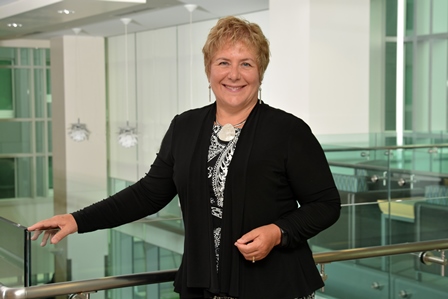
By Dr. Gillian Kernaghan
“We’re in this together” became a unifying phrase that emerged in the early months of the pandemic – simultaneously a rallying call and a message of encouragement and comfort during a long and often lonely battle.
For hospitals, “together” was considered from the outset as the only way to confront and manage the historic challenges that quickly arose as the pandemic swept in. A regional approach to planning was, and continues to be, at the forefront of the pandemic response for hospitals across the province and in Southwestern Ontario.
Supplies, capacity, staffing, services, ethics and principles – a regional approach during the first wave of the pandemic allowed for variation across Southwestern Ontario but also consistency as the hospitals and other care providers worked together to provide support, expertise and shared resources. The province directed what needed to be done and the regional leads led the response on how it would be done.
But with no blueprint on how to deal with COVID-19, many unknowns, constantly changing information and directions, and a global shortage of personal protective equipment, the task during wave one of COVID-19 was monumental. The need for rapid-fire decisions and frequent course changes made regional planning with multiple sectors essential. It allowed for greater understanding of some of the unique challenges due to geography and greater appreciation of the contributions of all the partners in the system. People came to the table with a spirit of collaboration and cooperation, and a focus on keeping our patients, residents, staff and physicians safe.
As we navigate the second wave of the pandemic, we are on more solid footing and the spirit of collaboration continues. However, the reintroduction of health care services will create a unique set of challenges. As hospitals increase surgeries and home care is needed to support those patients, and as other sectors resume services, the emerging issue in wave 2 is the availability of appropriate human health resources to address all the needs in the system.
Once again, it will take new approaches and innovative thinking, locally and regionally. It will require us to work together to maximize limited human resources and to minimize the impact on the people we serve in our communities and regions.
During the first wave of the pandemic, the many lessons learned are an invaluable spin-off of this unprecedented time. All position our region well, not only for this next wave of COVID-19, but also for the advancement of the province’s new integrated model of health care and Ontario Health Teams.
We learned we can lead in uncertainty and implement with innovation and speed when required. We learned the system is better when sectors work together with a common goal and purpose. We learned that crisis brings out the best and the worst in people – and we should not be surprised by that. We learned that shutting out visitors and family caregivers has a great impact on the health of people, especially those in long-term care or palliative care.
Most importantly, and with great pride, we affirmed that the greatest strength of the health care system is the people who work in the system – in every role and discipline. It is their resiliency and dedication that continues to see us through.
Dr. Gillian Kernaghan is President and CEO, St. Joseph’s Health Care London,
South West Regional Pandemic Lead.