

HN Summary
• Pediatric rehabilitation is essential but under-recognized, supporting 850,000 Canadian children with disabilities through highly specialized, personalized, multidisciplinary care that helps them thrive far beyond acute medical treatment.
• Under Julia Hanigsberg’s decade of leadership, Holland Bloorview has become a national catalyst for system-wide improvements—from co-founding the Children’s Health Coalition and launching Canada’s first neurobehavioural health ambulatory program, to expanding community partnerships, transitional care services and cutting-edge brain–computer interface technology.
• Despite progress, demand far exceeds capacity, with long wait times, looming workforce shortages and major gaps in coordinated care. Hanigsberg calls for bold investment, integrated wraparound services, and unified national strategies to ensure every child with a disability can access consistent, equitable, life-expanding care across Canada.
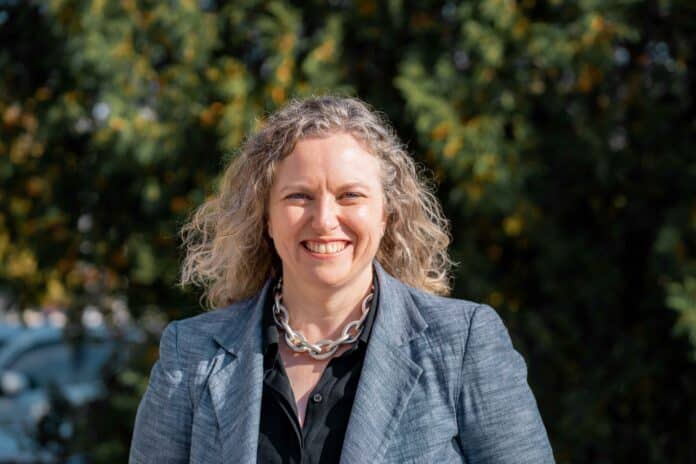
Outgoing CEO Julia Hanigsberg reflects on 10 years at Holland Bloorview and what’s needed to drive change.
Rehabilitation is often the unsung hero in our health system. It is a specialty that is essential to the meaningful and healthy futures of so many children and youth, yet one overshadowed by the urgency of acute care. Still, as one parent once shared with me, “the acute care hospital saved my child’s life, but Holland Bloorview gave their life back to them.”
Today there are 850,000 Canadian kids with disabilities and developmental differences, a number on the rise. Most pediatric rehabilitation clients have multiple diagnoses and complex needs requiring specialized teams to develop multifaceted solutions. It often means evaluating and revising custom approaches for each child – truly personalized care at its finest.
I’ve had the eye-opening privilege to lead Holland Bloorview Kids Rehabilitation Hospital for 10 years and I’m filled with pride for what our clinicians, researchers, innovators and educators have accomplished. Kids rehabilitation is a wonderfully-special field that extends far beyond clinical care, into services that supports a young person’s life goals. This includes pathways to gaining employment or pursuing the arts, not to mention sensitive and urgent issues such as food and housing insecurity, trauma, family breakdown, and rights-based care for First Nations, Inuit and Metis children.
Over the past decade, Holland Bloorview has become a catalyst for system-level solutions, and we’ve seen the tangible impact of authentic collaboration:
• We were a founding member of the Ontario’s Children’s Health Coalition, which successfully advocated for a historic $330 million government investment in pediatric care.
• With CHEO and McMaster Children’s Hospital, we co-developed Canada’s first neurobehavioural health ambulatory program. With provincial funding, dozens of hospital-, home- and community-based partners now deliver the “Extensive Needs Service,” which we aim to expand further.
• We developed a transitional bed service with community partner Safehaven to offer medically-fragile children a bridge between hospital and home.
• With support from The Slaight Family Foundation, and in partnership with community-based children’s rehabilitation providers, we are bringing the Bloorview Research Institute brain computer interface technology to children in their local communities.
The most tangible impacts, of course, are felt at the individual level. I fondly remember a parent at our Holland Bloorview robotics program (developed in partnership with FIRST Robotics Canada), telling me she hadn’t envisioned her son ever holding down a job. But once she saw his passion for robotics, she saw his potential in an entirely new light.
I witness so many examples of young people who’ve accessed great treatments, services and opportunities that set them up for healthy futures. Still, the unfortunate reality is that need greatly outstrips access to services, wait times are too long and we have urgent gaps to fill.
Canada has just 18 developmental pediatricians for every 100,000 children and youth with disabilities – and one-quarter of them are set to retire in the next five years. From our position running Canada’s largest developmental pediatrics sub-specialty program, we see the clear need to ensure that disability health care, and the multidisciplinary professionals who provide it, are part of a coordinated health human resources strategy at both the provincial and federal levels. Not to put too fine a point on it, but we can’t let the oft-mentioned “grey tsunami” eclipse the return on investment delivering necessary care to our youngest. In fact, a Deloitte Canada report released this fall shows that every $1 invested in pediatric care yields a social return of up to $5, led by less income and productivity losses for caregivers, and preventing spiralling health complications for their children.
My “big ideas” for the pediatric space? A wraparound approach to care where a consistent team is available to support a child wherever they are – be it a clinical setting or community- or home-based program. A system that sheds silos between physical, mental and developmental health. A system where every child’s needs are routinely met, relieving families of the onus to search for the right doors to knock on before joining a series of waitlists. A collaboration-first environment where innovations spread seamlessly throughout institutions so all kids with developmental needs can access them.
These children deserve a bold vision, and the public and private investments needed to make it happen. (Today just one per cent of health-care philanthropy in Canada goes toward pediatric disabilities.)
Looking ahead, a rising number of families will rely on a sector that must be daring, innovative and transformative. We must work closer together and invest wisely so that every child and youth with a disability or developmental difference in Canada can access a life filled with possibility.