By Peter Kim
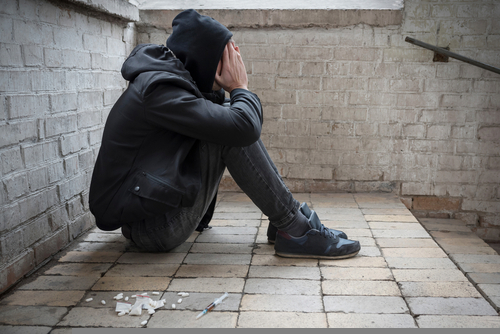
Since 2016, over 16,000 people have died in Canada from overdose, a public health crisis made worse by the overlapping coronavirus pandemic that has forced marginalized communities into public health-mandated isolation with less access to health services. It is an unprecedented time bringing into sharp relief society’s health inequities and inadequacies of our current drug policies.
To find solutions, Getting to Tomorrow: Ending the Overdose Crisis is a national dialogue project bringing together diverse communities–from politicians, police, people with lived experience, and health care–to find common values and shared purpose so that society can collectively move towards a unified goal: a public health and human rights-based vision for drug policy.
The first of 18 dialogues happened recently in New Brunswick and highlighted the important role health care providers play in both helping and hindering the efforts of people who use drugs navigating two concurrent public health crises. For many, interface with the health system was a challenge. Individuals shared their perspectives and stories about feeling judged and unfairly stereotyped as “drug seeking,” when visiting a doctor or clinic. This dissuaded many from seeking medical treatment in the first place. The sense of stigmatization was so acute for some that the only time they had access to primary care was when they overdosed: “Unless I was going in for an overdose, I didn’t get any other form of health care. It’s always focused on overdoses, otherwise you don’t get treated.”
Another common theme was the reluctance of doctors and prescribers to make use of Canada’s relaxed prescribing guidelines for opiate replacement therapy in response to COVID-19. Many people told us that they felt the deeply entrenched negative stereotypes of people who use drugs were preventing doctors from making use of this life-saving intervention. Those who had access to it noted how transformative it was. One person emphatically shared how injectable Opioid Agonist Treatment (iOAT) saved her life. She was formerly homeless and given days to live. IOAT allowed her to find physical wellness and stability during the day, which enabled her to secure a job and living wage. It was a powerful testament to the impact that one doctor can have. “Physicians hold that power, so if they can’t open up their mind then it’s a huge barrier to service. Often a primary health care provider is their only resource,” remarked one participant.
Individuals also spoke about how service design by its very nature was inaccessible for people who are homeless or struggling with chronic poverty. For example, the health care “appointment” is a standard format followed by millions accessing health care worldwide. But for someone without a phone, computer, or internet, knowing the time of day or even day of week is a significant challenge. This is especially true during COVID-19 when coffee shops–often spaces of refuge for unhoused people–are closed. Appointments are simply not tenable for those who have nothing. “Don’t make appointments, they can’t make appointments. They survived yesterday and they have to make it through today,” remarked one participant. Services must be responsive to the lived realities of those who need them, and that means on-demand treatment and support options that go to clients (outreach) rather than the converse. This was repeatedly mentioned as a solution that would make a big impact on vulnerable communities, especially in rural and remote locations with fewer health resources overall.
There are, however, many positive examples of how health care professionals are making a difference. Doctors Sara Davidson, Mark Tyndall, and Andrea Sereda are all forging new and hopeful paths in health care by embracing opiate replacement therapies and “safe supply.” Changing our view of substance use disorder towards public health principles requires courage like this. A progressive approach to drugs allows individuals to find the path to wellness when they are ready and turn their lives around. Policing and criminalization have failed for over a century and will continue to do so as the country grapples with record overdose deaths at the hands of a toxic and illegal drug supply. To continue down this path is unconscionable.
There are many things health care providers can do now to help.
- Be compassionate toward people who use drugs.
- Avoid stigmatizing language and assumptions about clients.
- Keep a blanket and snacks in your office.
- Build relationships with social service agencies so clients can be referred easily.
- While in hospital and upon discharge, provide new harm reduction equipment as requested.
- Talk to your staff about how to best care for people who use drugs.
Doctors and health care professionals have an incredible potential for positive change at both an individual and societal level. The actions you take and endorse legitimize the evidence-based public health interventions that need to happen. And when they do, they will save lives.
Peter Kim is a the Strategic Communications Manager at the Canadian Drug Policy Coalition.