

One of the biggest fears parents of children or teens with diabetes have is that they may not be able to lead a “normal” life. Parents worry their children won’t fit in with their classmates and may feel restricted in their physical activities or the foods they can eat.
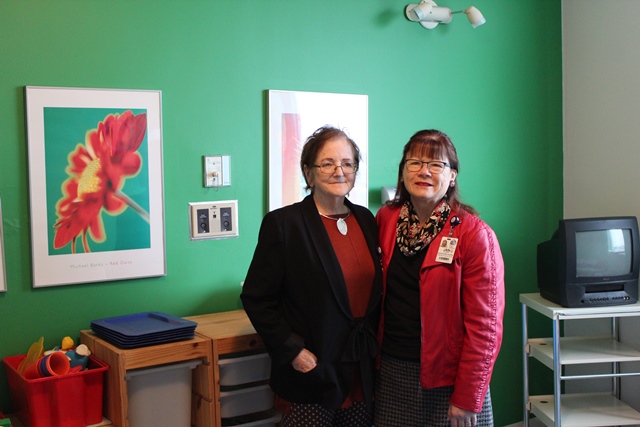
“We try to give both the parents and children tools to lead a normal life while managing diabetes,” says Jan Glozier, a Registered Nurse at North York General Hospital’s (NYGH) Child and Teen Diabetes Education Program. “We empower kids to be kids and to lead a normal life. We educate our patients on the importance of monitoring blood glucose, having regular healthy meals and balancing food, medication and physical activity.”
The Child and Teen Diabetes Education Program, located at NYGH’s Branson Ambulatory Care Centre, offers individualized teaching, counselling and support to children and their families.
At each visit, professionals address topics like managing physical activity, how to prevent and treat hypoglycemia, and how to manage insulin doses and blood sugars. Group classes are also offered on carbohydrate counting and sick day management.
The team consists of a paediatrician, a paediatric endocrinologist, certified diabetes educators including registered nurses, registered dietitians and a registered social worker.
“There are no routine screening tests for type 1 diabetes like there are for type 2,” says Jan. “Parents may first notice symptoms such as thirst, frequent urination, or bed wetting. If diabetes is not identified, the symptoms can quickly develop into a serious condition called ketoacidosis with flu-like symptoms. At this stage, the child must be treated in the emergency department.”
If you think your child may be having symptoms of diabetes, please consult with your family doctor. Our team at North York General highlights the importance of seeking medical attention early. Once diabetes has been diagnosed, being enrolled in a diabetes program helps the family manage the condition throughout a child’s development. “One of the great things about our program is that when the children we treat reach 18 years of age, they can transition to our adult program,” says Reen Skinner, also a Registered Nurse at the Child and Teen Diabetes Education Program. “They can continue visiting the same location and seeing familiar faces.”
The Diabetes Education Centre at North York General offers a full range of services, including group programs and individual counselling, for people with diabetes and their families at all ages and life stages. NYGH is also one of six centres across Ontario to host a Centre for Complex Diabetes Care.