
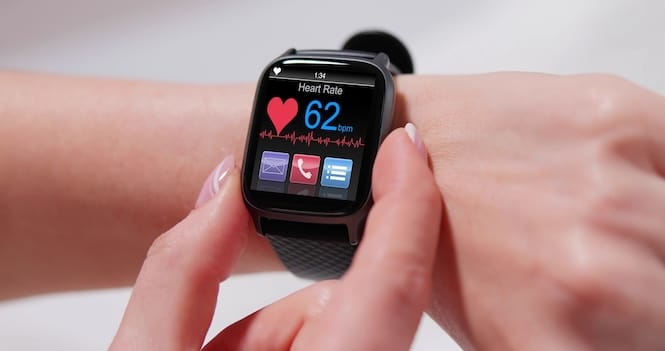

A new study published in Nature Medicine shows that data from a consumer smartwatch can detect early signs of worsening health in people living with heart failure, often days to weeks before unplanned medical care is needed.
Led by researchers at UHN’s Peter Munk Cardiac Centre and part of the Transform HF initiative, the study shows that smartwatch data can reliably monitor daily cardiopulmonary fitness in people living with the condition. As the largest study of its kind, it also demonstrates that meaningful, clinically relevant declines in fitness levels can be detected days to weeks earlier than usual.
Notably, a drop of 10 per cent or more in daily cardiopulmonary fitness was associated with a more than three-fold increase in the risk of unplanned health care use, such as hospitalization or urgent treatment, opening the door to more proactive and timely interventions.
“Heart failure often worsens silently between clinic visits. By tapping into information captured through everyday wearable tech, this study shows we can detect significant changes much earlier, and potentially intervene before a health crisis occurs,” says Dr. Heather Ross, Head of Cardiology at UHN’s Peter Munk Cardiac Centre and co-senior author.
Key findings
The three-month observational study followed 217 people with heart failure as they went about their daily lives. Participants wore an Apple Watch while researchers collected data such as heart rate, physical activity, and oxygen saturation levels. Participants were instructed not to change their usual activity routine.
Using a UHN-developed and externally validated artificial-intelligence model, the research team analyzed patterns in this wearable data to estimate daily cardiopulmonary fitness–a key measure of how well the heart and lungs work together. These smartwatch-based fitness estimates closely matched results from gold-standard clinical exercise testing at the beginning and at the end of the study.
“By combining clinical insight on day-to-day changes in activity capacity with advanced modelling expertise, we can track activity and physiological signals over time and flag declines that might otherwise be missed between clinic visits.”