

The toxic drug crisis is a long-standing public health emergency, but many are unaware of the brain injury epidemic that underlies it. As researchers investigating the intersections between brain injury, mental health and substance use, we want to shed light on one of the more under-recognized consequences of drug toxicity in Canada: overdose-induced brain injury” says Dr. Mauricio A. Garcia-Barrera, Professor of Psychology at the University of Victoria.

It is known that 16 Canadians died every day between 2016 and 2023 from toxic drugs, amounting to 42,494 deaths.
Beneath these numbers lie thousands of unaccounted survivors with overdose-induced brain injuries – what we refer to as the hidden epidemic.
By definition, any loss of consciousness is a hypoxic event, so any overdose with a loss of consciousness is a potential brain injury. “However, this relationship is not common knowledge among health-care service providers, people who use substances and their family members,” says Cole J. Kennedy, Clinical Neuropsychology PhD student at the University of Victoria.
“Even in hospitalization cases, routine brain injury screening and assessment is not common practice after overdose. Our research identified the need for accurate recognition and diagnosis of brain injury as a top priority.”
Kennedy’s recently published study outlines stakeholders’ top ten priorities for research addressing the intersections of brain injury, mental health and addictions, as part of the team’s larger investigation.
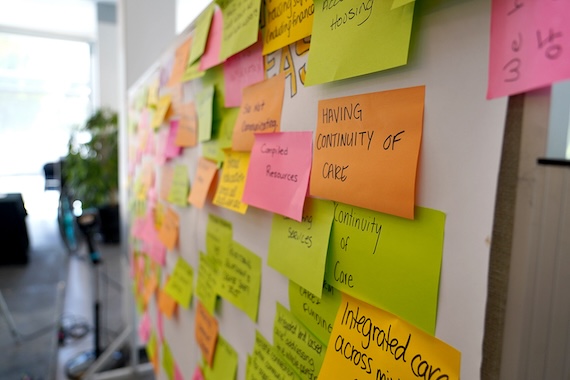
The three-year BC Consensus on Brain Injury, Mental Health & Addictions research project was designed to reach a consensus on the priorities and solutions to best serve people experiencing the intersections of brain injury, mental health and addictions in BC.
Using a community-engaged approach, the group examined these intersections with a closer look at particular sub-topics each year, including overdose and brain injury, intimate partner violence and brain injury, and housing and homelessness as is relates to brain injury.
Recommendations emerging from the three years include:
• Provision of integrated care, in which access to services and supports is facilitated by servicing co-morbidities within a single and continued process.
• Informed services by adequate screening for brain injury, mental health, and addictions as co-existing problems, that is supported by a collaborative approach to care across health professionals.
• Increased education about brain injury across health professionals, members of the legal and police system, and many other professionals and volunteers servicing survivors of brain injury.
• Increase access to services, including long-term housing, improve existing services, create personalized care, and increase research requires increased and continuous funding and resourcing from government, as well as federal policy to support long-term impact of these efforts.
The project represents a unified stance from leading experts and stakeholders across BC, emphasizing the urgent need for comprehensive legislation addressing the interconnected challenges of brain injury, mental health and addiction.
The BC Consensus on Brain Injury has been instrumental in the progression of Bill C-277, the National Strategy on Brain Injury Act. Bill C-277 received a unanimous vote in the House of Commons on June 12, 2024, and will now be studied by the Standing Committee on Health before advancing to the Senate floor.