

Across Canada, hospitals are under enormous pressure, with lengthy wait times and beds filled well beyond capacity. While there are many reasons for this strain, one factor is impossible to ignore. Our healthcare system is increasingly relying on hospitals to solve a seniors care crisis they were never designed to manage.
A growing number of hospital beds are occupied by older adults who no longer require acute medical treatment but cannot safely return home. Hospitals were never meant to function this way. They are designed to treat illness and stabilize patients, not to provide long-term social care, housing, or community support. Yet in the absence of sufficient alternatives, that is exactly what they are being asked to do. The result is a system where everyone struggles. Hospitals lose precious capacity, healthcare workers face increased pressure and burnout, and seniors themselves often remain in environments that are not designed to support their long-term wellbeing.
For decades, Canada’s approach to elder care has been fragmented across multiple sectors. Hospitals, home care, long-term care, and retirement living mostly operate within their own policy framework. These sectors often serve the same population but rarely function as a truly integrated continuum. When the connections between them break down, hospitals become the default safety net. The solution cannot simply be building more long-term care beds or expanding hospital capacity. What we need is a more coordinated system that supports older adults long before a crisis occurs.
Senior living communities, in partnership with hospitals, can play a key role in this shift. When designed well, these communities provide much more than housing. They create environments where older adults remain socially connected, supported by staff who understand the aging process and can identify health concerns early. Preventing isolation and addressing needs proactively can significantly reduce hospital visits and emergency admissions.
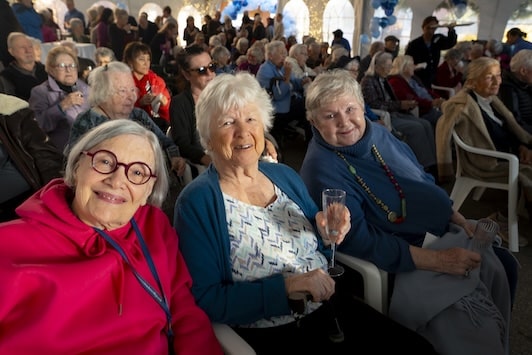
Just as importantly, senior living communities can provide safe and appropriate places for individuals to transition after a hospital stay. With the right supports in place, many seniors who no longer require acute care could leave hospital sooner and continue their recovery in environments that are better suited to their needs. This kind of partnership between hospitals and senior living communities has enormous potential. It can improve patient outcomes, free up critical hospital beds and create smoother transitions across the continuum of care.
But for this to happen, we need to stop thinking of seniors housing and care as separate from the healthcare system. In reality, they are deeply connected. Housing stability, social engagement, and access to supportive services are some of the most important determinants of health for older adults. When those elements are missing, hospital visits become far more likely.
Another major challenge across the continuum is workforce. Hospitals, long-term care homes, and retirement communities are all competing for the same limited pool of personal support workers and frontline caregivers. The shortage of trained professionals is already severe and will only grow as Canada’s population ages.
Addressing this workforce crisis will require more than recruitment campaigns. We need to rethink how we train and support the people who provide care to older adults. Caregiving must be recognized as a skilled profession with strong educational pathways, meaningful career opportunities, and greater societal respect.
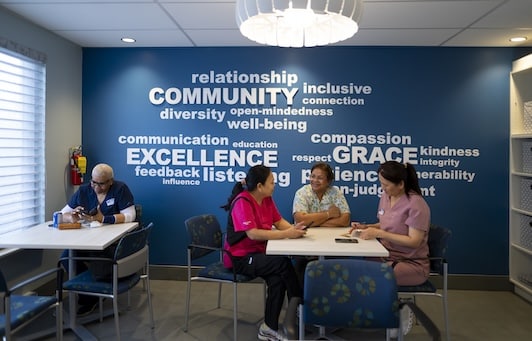
Training programs that place students directly within senior living communities can help bridge the gap between classroom learning and real-world experience. When future healthcare professionals learn alongside older adults, they gain a deeper understanding of aging and the complex needs that come with it.
Ultimately, strengthening elder care is not just about improving life for seniors. It is also essential to the sustainability of our healthcare system. Hospitals cannot carry the weight of this challenge alone. Nor should they have to. A better approach requires stronger partnerships between hospitals, senior living communities, educators, and policymakers. By working together to create a more integrated continuum of care, we can ensure that older adults receive the right support in the right setting at the right time. The health of our hospitals and the dignity of our seniors depend on getting this right.
By Heather Janes, CEO of Christie Gardens