
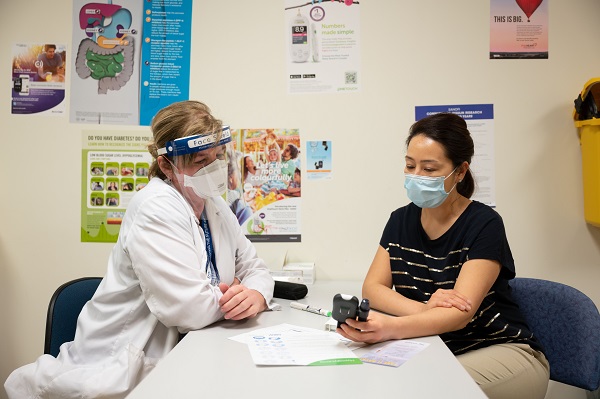

Scarborough Health Network (SHN) has introduced its new Mental Health Diabetes Clinic, providing diabetes patients, who may also be at risk for chronic kidney disease (CKD), access to necessary mental health supports in addition to regular disease monitoring and management.
“SHN’s diabetes and mental health programs are partnering to expand care for patients living with diabetes. Chronic diseases like diabetes impact many aspects of patients’ lives, including their mental health. With our new clinic, diabetes patients can now be referred to an SHN psychiatrist if they are experiencing depressive, anxiety, post-traumatic, or other psychiatric symptoms that are contributing to difficulties with self-management or engagement in care,” explained Toni Thomas, a registered nurse for SHN’s diabetes program.
The clinic reflects the comprehensive approach of SHN’s diabetes program, which has established itself as a leader in diabetes management, treatment and prevention strategies, ensuring access to timely, high-quality services in the most appropriate setting for patients. It will also support eligible CKD patients, since both kidney disease and diabetes are closely linked.
The new service also builds on support available to patients through SHN’s diabetes and kidney disease (DKD) program, which focuses on slowing the progression of CKD and delaying the transition to dialysis. This is achieved by providing diabetes and nephrology management within one appointment. It is a collaboration with SHN’s regional nephrology program, which cares for more than 6,000 patients annually. The DKD program is paving the way for a Metabolic Clinic in the future – which aims to be a “one-stop shop” for patients including services such as mental health, cardiology, foot and much more.
“Diabetes is actually the top cause of chronic kidney disease,” emphasized Thomas. “Mental health is a largepart of managing a chronic disease and certainly managing diabetes and kidney disease; can be quite onerous on a daily basis. There are many decisions people must make, like medications, diet, and regular daily life, and it can take a toll on mental health,” she explained.
Currently the program is in its pilot stage, only accepting patients referred by SHN doctors, and using the diabetes distress scale (DDS) in identifying individuals for the clinic. The DDS is a 17-item scale that captures four critical dimensions of distress: emotional burden, regimen distress, interpersonal distress and physical distress.
“Diabetes on it’s own can present patients with many challenges, but once you add chronic kidney disease,there are several issues that can manifest. Getting patients the care they need and collaborating between clinicians provides the best care possible for the patient, while improving their mental health,” Thomas added.
An estimated 1.2 million people in Ontario have been diagnosed with Type 1 or Type 2 diabetes, both of which can cause CKD.
Diabetes and kidney disease also have strong prevalence in individuals of Asian, South Asian and Caribbean descent, cultures that comprise much of Scarborough’s population.
Recognizing the need for care in Scarborough, Thomas said patients have more options for treatment, monitoring and mental health supports than ever before.
“Individuals with diabetes and chronic kidney disease can be at higher risk of developing depression than others; for example, untreated or unrecognized mental health issues can make managing chronic diseases more challenging due to the overwhelming amount of responsibilities on a day to day basis,” explained Thomas.
“Diabetes distress can be caused by frustration, worry, and discouragement from dealing with daily disease care, leading some to find it difficult to engage in their daily care. It is important to offer patients effective methods of dealing with their anxiety and depression, and to ensure they are speaking with someone who has a deeper understanding of diabetes and chronic kidney disease challenges—it can be life-saving.”
Learn more about SHN’s diabetes, mental health and regional nephrology programs.