

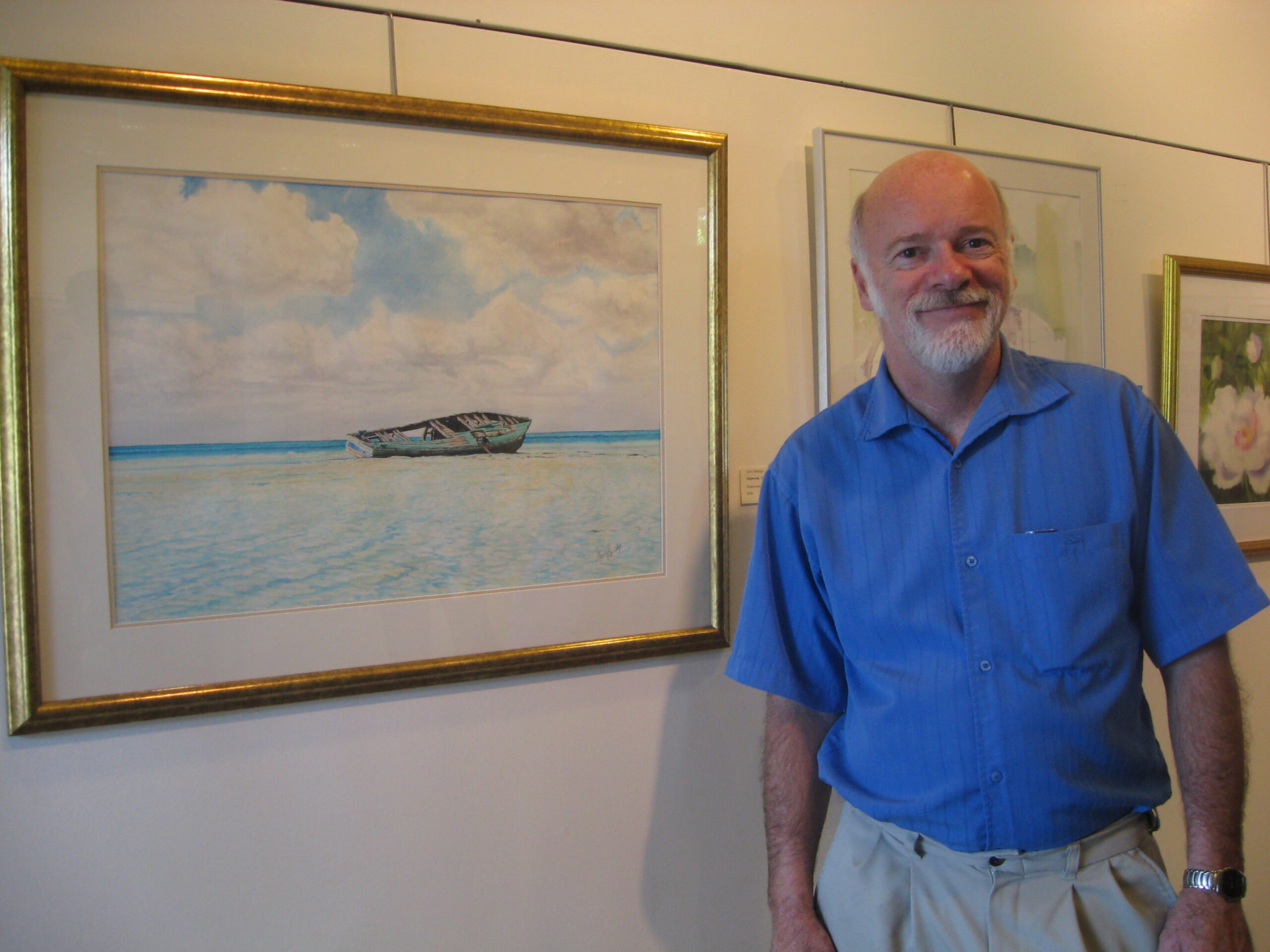
Garry Herridge learned the value of therapeutic recreation programs firsthand.
An inpatient at Toronto Rehab’s Lyndhurst Centre in 1999, Garry’s work with multidisciplinary teams dedicated to helping patients with spinal cord injuries (SCIs) increase their functional independence proved key to his coping and recovery.
So, it felt natural when Garry became a volunteer in 2004 that he chose therapeutic recreation – leading weekly watercolour painting sessions, with a recreation therapist, for inpatients at Lyndhurst Centre.
“Throughout my life, painting has always been a source of therapy for me,” says Garry, a retired visual arts teacher. “I wanted to give back in a way that allowed me to relate to patients as a peer, and introduce them to something that may be new.”
Now, almost two decades later, Garry is retiring as a volunteer, but leaving an indelible mark.
National Volunteer Week runs April 16 to 22. This year’s theme is “volunteering weaves us together,” which underscores the importance of volunteering to the strength and vibrancy of our communities through the interconnected actions we take to support one another.
At UHN, while many of the volunteer programs were paused earlier in the pandemic, Volunteer Resources is excited to be welcoming back our volunteers and programs. There are volunteers in a wide range of roles, including navigators, Infection Prevention and Control hand hygiene auditors, administrative support, nutrition patient tray auditors, rehabilitation support roles in therapeutic recreation, physiotherapy, occupational therapy, OTAs/PTAs, wellness, speech-language pathology, pet therapy, HBB and clinic and waiting room support.
Prior to the pandemic, there were close to 3,100 people actively volunteering in more than 150 clinics and departments at UHN, coming from a wide range of backgrounds and performing a number of roles.
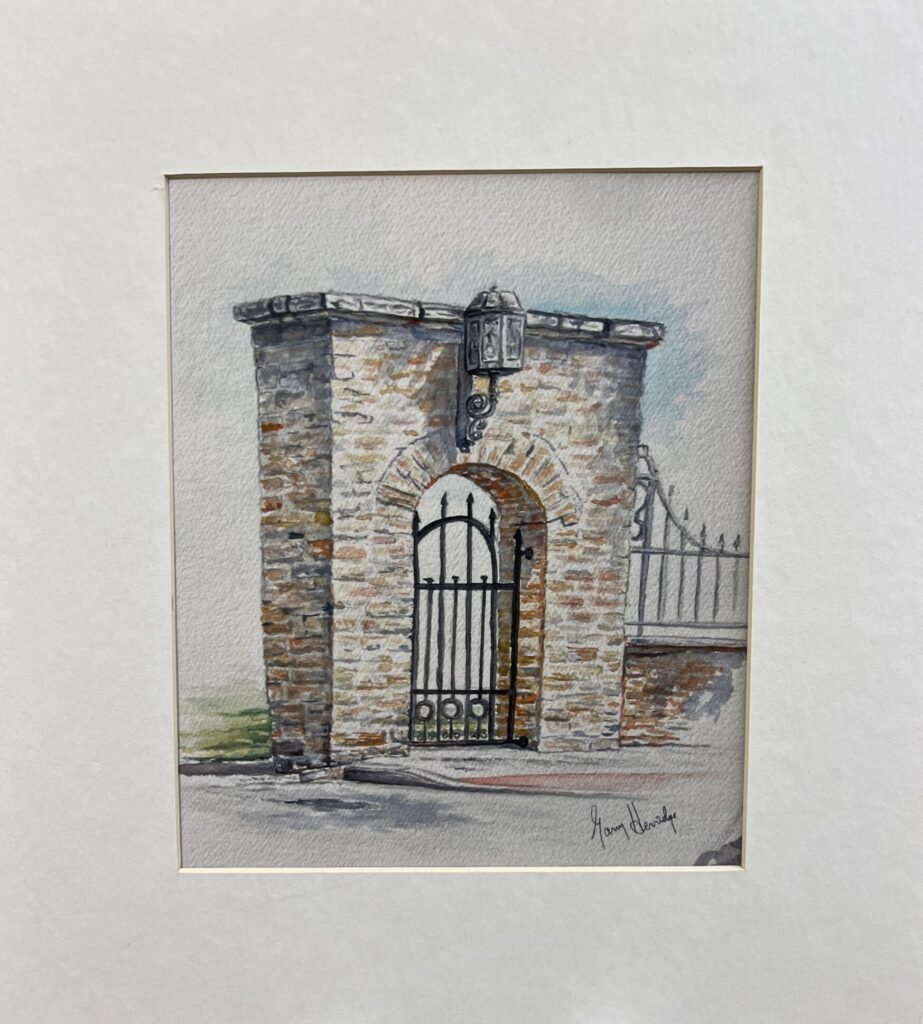
For Garry, despite his expertise in painting watercolours, when it comes to sharing his love for art over the years, it’s never been all about the craft.
“I like to tell patients, ‘there’s no experience necessary – just a willingness to participate in an activity, where you can forget about what you’re dealing with, and share with others,’” he says.
“My goal is to make this the best hour of your week.”
And his classes reflected that.
Each one-hour session started with Garry sharing his own personal story. At age 47, he sustained an SCI colliding – hard – with another player during a slow-pitch baseball game.
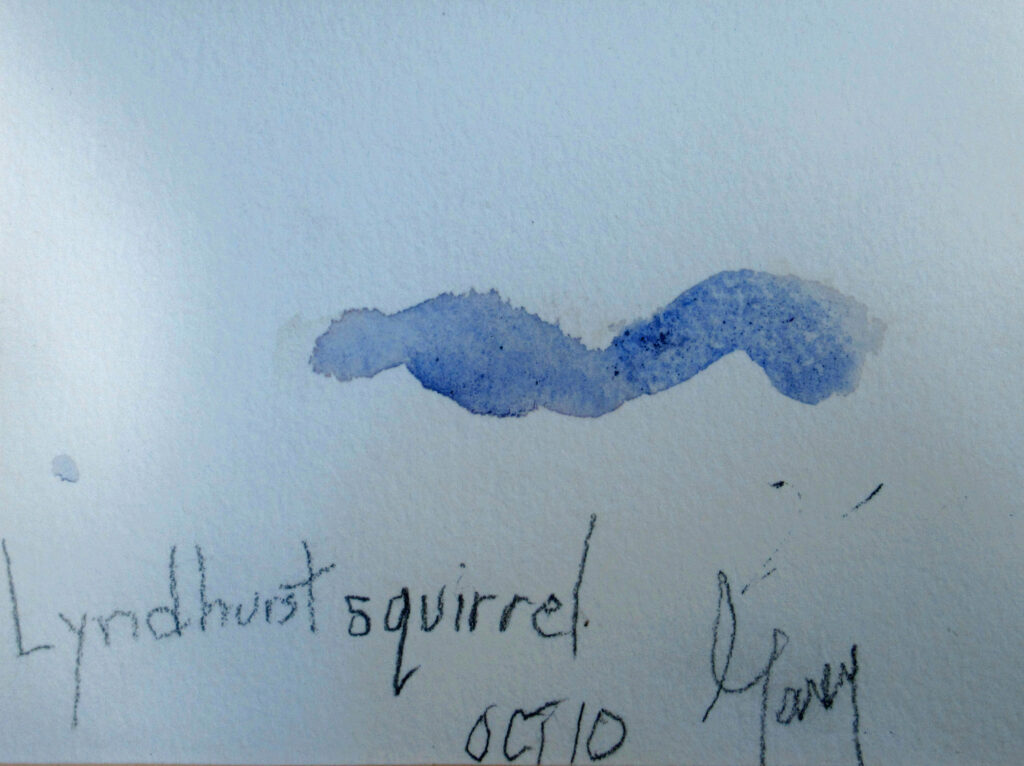
A highlight for everyone was when Garry would pull out the book of watercolours he created as an inpatient. Titled Rebirth, it reflects his recovery, through art.
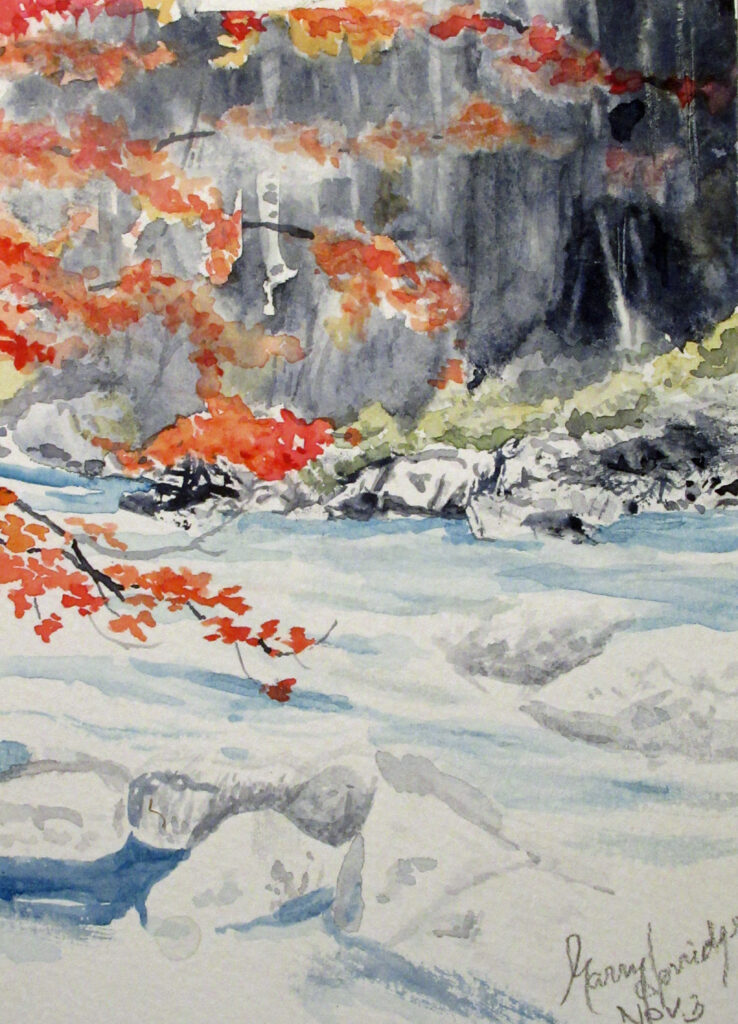
“It opens with ‘Lyndhurst Squirrel,’ which is the first painting I completed with a single brush stroke, and closes with ‘Peaceful Brook,’ he says. “The renderings in between reflect the progress of my fine motor skills.”
While staff say it feels rewarding to see patients engaging in meaningful activities, Nicole Leong, a recreation therapist in Lyndhurst’s Spinal Cord Rehab Program, says she’s also learned a lot, working with Garry.
“I’m forever grateful for the years I worked alongside Garry,” she says. “He taught me that art is everywhere, if we stop and take the time to appreciate our surroundings.
“But he also listened. Truly stopped and listened. To every patient and their story. He met them where they were at – with gentle encouragement, kind feedback, and a thoughtful
lesson plan.”
For patients such as Gabriele Markle, participating in Garry’s watercolour classes became a source of hope and optimism for the future.
“When I first arrived at Lyndhurst Centre, the reality of my spinal cord injury felt overwhelming, and the struggle was very real,” she recalls.
“But through Garry’s class, I not only got to forget my limitations and have fun, but I developed a love for painting.”
Since returning home, Gabriele has continued to paint with watercolours, as well as acrylics and pencils.
“I will always be thankful to Garry, for introducing me to the wonderful world of art,” she says.
And that’s the benefit of therapeutic recreation, which promotes leisure independence, as patients prepare to safely and successfully transition back to their communities.
Programs at Lyndhurst include everything from opportunities to trial specialized sports equipment, to community integration outings and art.
“Garry’s sincerity in meeting patients’ needs, through a creative outlet, allowed them to explore a hidden or untapped talent and interest that they can take home with them,” says recreation therapist Charlene Alton.
“We will always be grateful for the many years of tremendous volunteer contributions he spent inspiring patients and making a positive difference in their lives – in the hospital, and in the community.”