

Cross-Canada study shows ibuprofen alone provides the same level of pain relief as ibuprofen plus acetaminophen or ibuprofen plus hydromorphone.
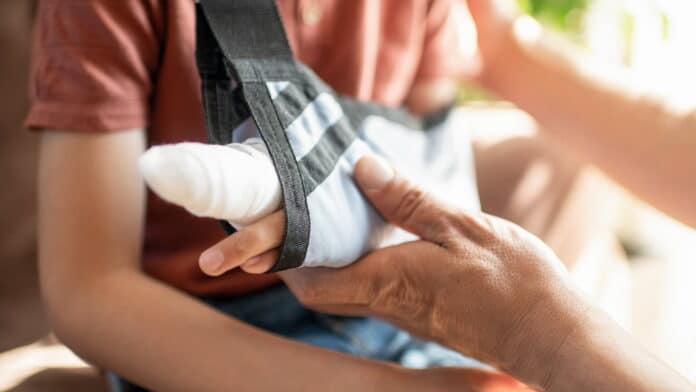
Kids with broken or sprained limbs don’t need oral opioids to treat their pain, according to newly published findings from a cross-Canada study by pediatric emergency researchers.
One of the largest randomized clinical trials ever carried out on pediatric pain in Canada, the No OUCH study showed that giving children ibuprofen (Advil) plus acetaminophen (Tylenol) or ibuprofen plus hydromorphone (Dilaudid), an oral opioid, provided no better pain relief than giving ibuprofen alone.
“We don’t like to give children medications they don’t need, so if these medicines add no benefit to pain relief, then there is no reason to give them,” says principal investigator Samina Ali, professor of pediatricsand emergency medicine at the University of Alberta and chair of Pediatric Emergency Research Canada.
The study involved 699 children aged six to 17 at six pediatric emergency departments in Alberta, Manitoba and Ontario. All had musculoskeletal injuries such as broken arms and sprained ankles and had moderate to severe pain, but did not need surgery or hospital admission.
Their mean self-reported pain level before treatment was 6.4 out of 10. That dropped to between 4.6 and 4.8 an hour after treatment, once the medications achieved peak effect. There was no significant difference between the combinations — but adverse reactions such as dizziness, fatigue, nausea and vomiting were four to five times more likely in the group that took the oral opioid.
Ali notes that some parents and clinicians have been hesitant to give children opioids since the onset of the opioid crisis in Canada, and some research has shown an increased lifetime risk of opioid use disorderfollowing any exposure.
For this study, parents were given the option to participate in a non-opioid trial if they preferred.
“We knew that if we did only one clinical trial with opioids, we would miss all of those families that have significant concerns about opioids, and we wanted to know how best to serve all families,” Ali explains. “So we ended up creating a new methodology where we embedded two trials within the same study — one with oral opioids and one without — and the families got to choose which study felt appropriate for them.”
Ali stresses that intravenous opioids are still considered effective and appropriate for children who present to the emergency department with a badly broken leg or are undergoing procedures such as back surgery.
She also notes that only about 20 per cent of the children in the study saw their pain drop to mild levels following treatment with ibuprofen. She says further study is needed of the so-called “3P approach” for managing children’s pain, which involves adding physical interventions such as heat and ice, and psychological interventions like distraction, to pharmacological treatments.
Some children may also need alternating doses of ibuprofen and acetaminophen to manage their pain.
“We expect to have pain when we break or sprain a limb. That’s normal,” Ali says. “But we want to manage the pain in a way that lets us do our regular activities, which for a school-aged child might be getting to the classroom or sleeping through the night. If we can get it to a manageable level, then we can give the body the time it needs to naturally heal.”
Ali expects the findings of the No OUCH study to lead to changes in the national clinical practice guidelines put out by TREKK.ca (Translating Emergency Knowledge for Kids) and the Canadian Paediatric Society, which she helps to determine.
“We used the strongest opioid that is available for use by mouth and still saw no effect,” she says. “For me, this puts to rest the idea that oral opioids have a role in the treatment of children with acute pain and musculoskeletal injury in the emergency department who are being sent home.”
BY GILLIAN RUTHERFORD
The No OUCH study is part of the international Innovative Pediatric Clinical Trials (iPCT) partnership co-led by U of A pediatrics professor Lawrence Richer, who is also associate dean of research for the Faculty of Medicine & Dentistry. The research was supported by the Canadian Institutes of Health Research and the Stollery Children’s Hospital Foundation through the Women and Children’s Health Research Institute. The Stollery Children’s Hospital received ChildKind International certification in January 2025 for its commitment to treating children’s pain, making it one of only 22 hospitals in the world to achieve this standard.